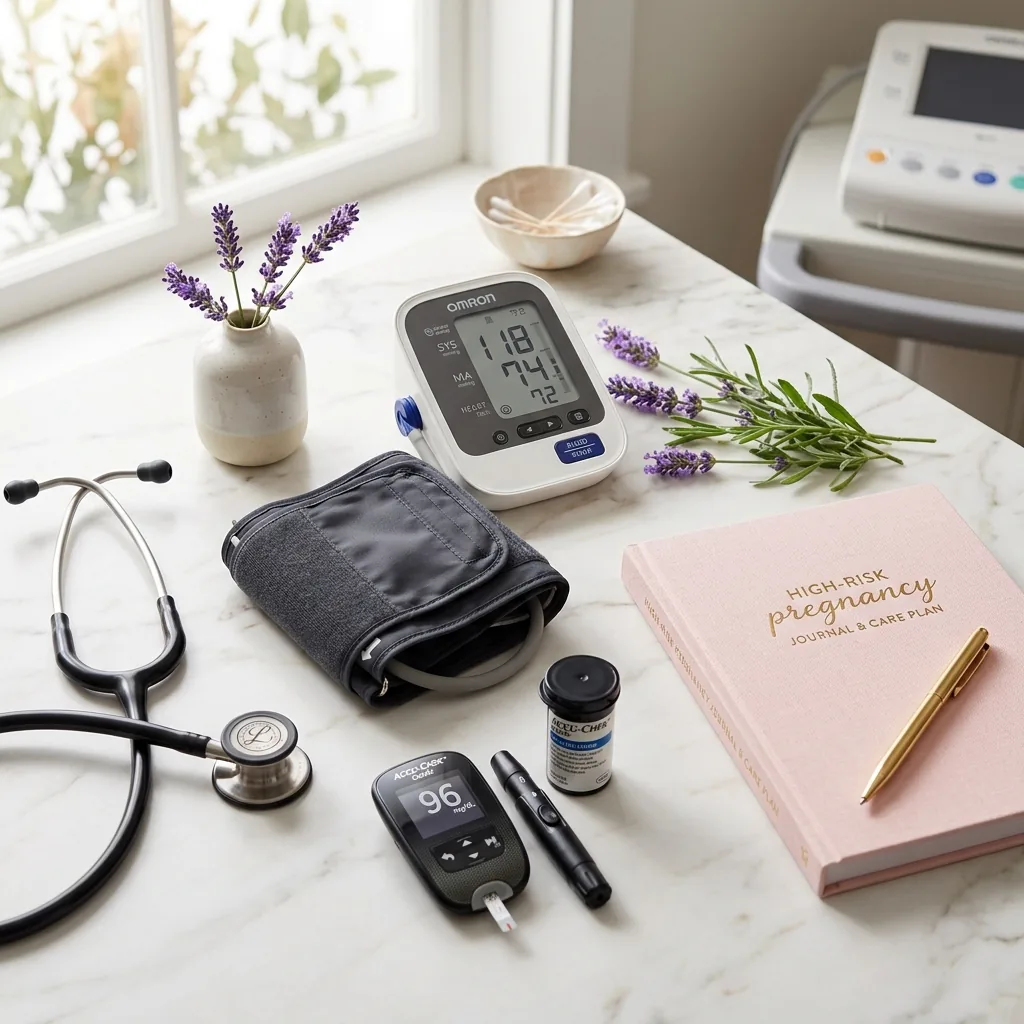
🩺 Expert medical monitoring: With early diagnosis, proper medical care, regular monitoring, and healthy lifestyle habits, many women with high-risk pregnancies go on to deliver healthy babies safely.
Every pregnancy is special, but some pregnancies require extra monitoring and medical attention due to increased health risks for the mother, baby, or both. These are clinically known as high-risk pregnancies.
A high-risk pregnancy does not always mean something will go wrong. With early diagnosis, proper medical care, regular monitoring, and healthy lifestyle habits, many women with high-risk pregnancies go on to deliver healthy babies safely.
What is a High-Risk Pregnancy?
A pregnancy is considered high-risk when there is an increased chance of complications during pregnancy, labor, or delivery. These risks may directly affect:
Common Causes of High-Risk Pregnancy
Maternal Age
Pregnancy risks increase in women below 18 years and women above 35 years. Advanced maternal age significantly increases the chances of high blood pressure, gestational diabetes, chromosomal abnormalities, and delivery complications.
High Blood Pressure During Pregnancy
High blood pressure affects placental blood flow, baby's growth, and maternal health. In severe cases, it can lead to preeclampsia, premature delivery, and maternal organ complications.
Gestational Diabetes
Some women develop high blood sugar levels during pregnancy. Uncontrolled diabetes increases risks such as large baby size (macrosomia), premature birth, and delivery complications. Proper diet, exercise, and medical management are extremely important.
Twin or Multiple Pregnancy
Pregnancies involving twins or triplets need much closer monitoring because they have higher chances of premature birth, low birth weight, and maternal complications.
Previous Pregnancy Complications
A history of recurrent miscarriage, previous C-section, preterm birth, stillbirth, or high blood pressure in a previous pregnancy increases pregnancy risk in future pregnancies.
Medical Conditions Before Pregnancy
Certain pre-existing health problems make pregnancy high-risk, including thyroid disorders, pre-existing diabetes, heart disease, kidney disease, autoimmune disorders, and severe anemia.
Warning Signs That Should Never Be Ignored
Immediate medical attention is crucial if any of the following symptoms occur:
Clinical Monitoring Protocols
How Doctors Monitor High-Risk Pregnancy
High-risk pregnancies usually require specialized clinical surveillance:
- ✓ More frequent antenatal checkups
- ✓ Close blood pressure monitoring
- ✓ Serial blood sugar testing
- ✓ High-resolution growth ultrasounds
- ✓ Fetal heartbeat monitoring (NST)
- ✓ Advanced blood & genetic investigations
Importance of Baby Movement Monitoring
Baby movements are a direct sign of fetal wellbeing. Most mothers begin feeling movements around 18–22 weeks of pregnancy.
⚠️ Reduced movements should always be discussed with Dr. Vaibhavi immediately.
Lifestyle Tips for High-Risk Pregnancy
Support your body and your baby by maintaining these excellent daily habits:
Common Myths About High-Risk Pregnancy
“High-risk pregnancy means something bad will definitely happen.”
Many high-risk pregnancies result in completely healthy deliveries with proper monitoring and timely medical care.
“Women with high-risk pregnancy must stay in bed all the time.”
Activity recommendations depend entirely on the specific medical condition. Not all high-risk pregnancies require complete bed rest.
Final Words
A high-risk pregnancy requires extra attention, but with proper medical care, healthy lifestyle choices, and regular monitoring, many mothers experience successful pregnancies and healthy deliveries.
Never ignore warning signs or delay prenatal checkups during pregnancy. Please consult your gynecologist for proper evaluation, pregnancy monitoring, and personalized high-risk pregnancy care.

Need Specialized High-Risk Pregnancy Care?
Consult Dr. Vaibhavi for expert maternal-fetal monitoring, advanced diagnostic ultrasounds, and a safe, reassuring care plan.