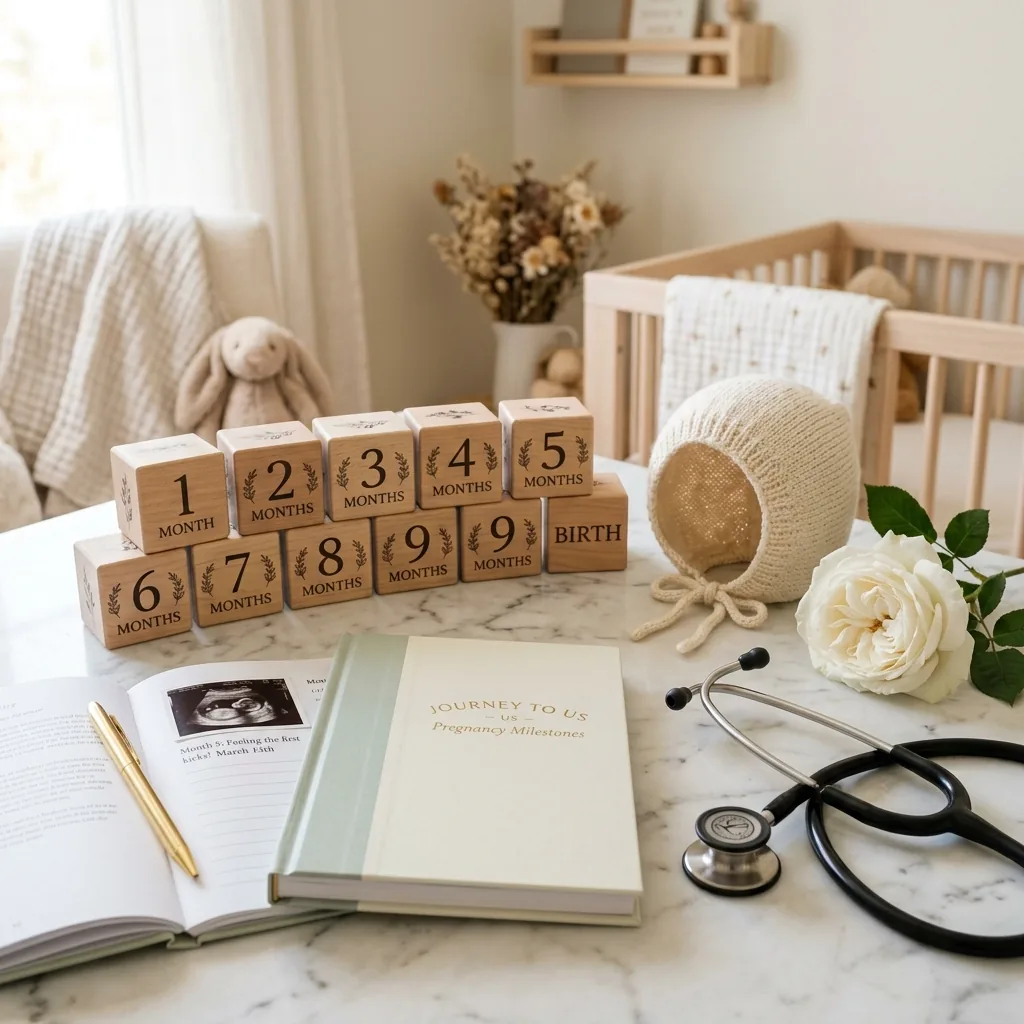
🌱 A miraculous transformation: From a tiny group of cells to a beautiful newborn, each stage of pregnancy brings incredible milestones for mother and baby.
Pregnancy is an incredible journey where your baby grows and develops rapidly every month. From a tiny group of cells to a fully developed newborn, each stage of pregnancy brings important milestones for both mother and baby.
Understanding baby growth month-by-month helps parents feel much more connected, informed, and prepared throughout pregnancy.
Month-by-Month Fetal Development
First Month (1–4 Weeks)
🍚 Size: Grain of RiceDuring the first month, fertilization takes place, and the rapidly dividing embryo attaches securely to the lining of the uterus. The placenta, which will nourish your baby, begins to form along with early hormonal surges.
⭐ At this early stage, many mothers may not even realize they are pregnant yet.
Second Month (5–8 Weeks)
🫐 Size: RaspberryThis is a highly critical stage because major organs begin developing rapidly. The baby's heart starts beating, the neural tube (forming the brain and spinal cord) develops, tiny arm and leg buds appear, and early facial features begin forming.
⭐ Morning sickness and fatigue commonly increase during this period.
Third Month (9–12 Weeks)
🍋 Size: LemonBy the end of the first trimester, distinct fingers and toes develop, and the baby starts making small reflex movements. The heartbeat can clearly be seen and heard on ultrasound, and all major organ systems are fully formed.
🎉 The statistical risk of miscarriage reduces significantly after passing this milestone!
Fourth Month (13–16 Weeks)
🥑 Size: AvocadoThe second trimester begins, and many mothers start feeling much better physically as morning sickness fades. The baby's bones become stronger, facial expressions develop, fine hair (lanugo) begins growing, and the baby becomes highly active inside the womb.
Fifth Month (17–20 Weeks)
🍌 Size: BananaThis is an incredibly exciting month because mothers begin feeling gentle fluttery baby movements. These magical first movements are clinically called Quickening. The baby's hearing develops, muscles grow stronger, and distinct sleep-wake patterns begin forming.
Sixth Month (21–24 Weeks)
🌽 Size: Ear of CornBaby's growth becomes much more noticeable. Skin develops further (covered by a protective waxy coating called vernix), eyelids begin opening, the baby actively responds to external sounds and voices, and kicking movements become significantly stronger. Lungs are developing but remain immature.
Seventh Month (25–28 Weeks)
🍆 Size: Large EggplantThe third trimester officially begins. The baby's brain develops rapidly, body fat increases to help regulate temperature, eyes open and close, and kicking becomes vigorous. Many babies begin changing their position inside the uterus during this time.
Eighth Month (29–32 Weeks)
🍈 Size: Cantaloupe MelonThe baby gains significant weight, lungs continue maturing, bones become fully developed but soft, and the baby actively practices breathing movements. Because the baby is growing rapidly, mothers may experience increased back pain, breathlessness, or sleep discomfort.
Ninth Month (33–36 Weeks)
🍍 Size: PineappleThe baby continues preparing for birth. Most babies move into a vertex (head-down) position during this stage. The brain and lungs mature further, weight increases steadily, and movements may feel stronger but less spacious due to tight quarters.
Full-Term Pregnancy (37–40 Weeks)
🍉 Size: WatermelonA pregnancy is considered full-term after reaching 37 weeks. By now, the baby's organs are fully developed, lungs are mature, and the baby is completely ready for life outside the womb. Labor can begin naturally at absolutely anytime during this period.
Common Questions About Baby Growth
“Is my baby growing normally?”
Doctors monitor growth accurately through serial ultrasounds, fundal height measurements during clinic visits, tracking daily baby movements, and maternal weight monitoring.
“When will I feel baby movements?”
Most first-time mothers feel distinct fluttery movements between 18–22 weeks of pregnancy.
“What affects baby growth?”
Proper fetal growth depends on several vital maternal and placental factors:
Tips for Healthy Baby Growth
Support your baby's rapid monthly development by maintaining these excellent daily habits:
Final Words
Every baby grows at their own pace, and small variations in growth are often completely normal. Regular prenatal care and healthy lifestyle habits help support proper fetal development throughout pregnancy.
Understanding month-by-month baby growth can help parents feel more prepared and emotionally connected during this beautiful journey. Please consult your gynecologist for regular pregnancy monitoring, ultrasounds, and personalized prenatal care.

Track Your Baby's Growth Milestones
Consult Dr. Vaibhavi for high-resolution growth ultrasounds, accurate fundal height tracking, and expert maternal-fetal care.